
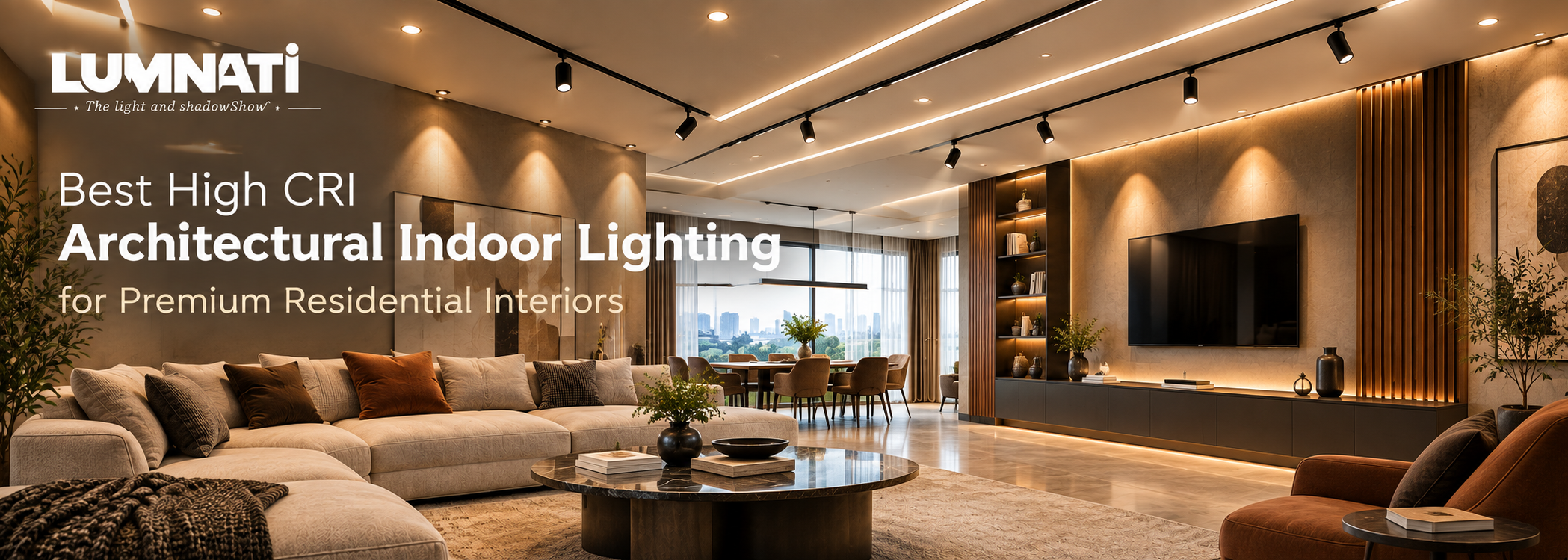
Premium residential interiors are defined by more than luxurious furniture, elegant finishes, and sophisticated layouts. Lighting plays a crucial role in how every element of a home looks and feels. From the natural appearance of wood and stone to the richness of fabrics and artwork, the right lighting can transform an ordinary room into a refined living space.
This is where High CRI Architectural Indoor Lighting becomes essential. By improving color accuracy and helping interior materials appear closer to their intended colors, high color rendering index (CRI) lighting enhances the visual quality of luxury homes.
For homeowners, architects, and interior designers seeking a balance of aesthetics and performance, Lumnati can be explored as a brand option for architectural lighting solutions suited to thoughtfully designed residential spaces.
What Is High CRI Architectural Indoor Lighting?
High CRI Architectural Indoor Lighting refers to lighting solutions designed to reproduce the colors of objects more accurately under artificial illumination. CRI, or Color Rendering Index, is a scale used to evaluate how closely a light source renders colors compared with a reference light source under specified conditions.
CRI is measured on a scale of 0 to 100, with higher values generally indicating better color rendering.
For premium residential interiors, lighting with a CRI of 90 or above is often preferred when accurate color representation is important. It can help interior finishes, decorative objects, artwork, and furnishings appear more natural and visually appealing.
However, CRI is only one aspect of lighting quality. Color temperature, beam angle, glare control, dimming performance, and light distribution also influence the overall experience.
Why High CRI Lighting Matters in Premium Homes
1. Enhances the Beauty of Interior Materials
Premium homes often feature natural stone, hardwood flooring, textured walls, marble countertops, and carefully selected fabrics. These materials have subtle colors and textures that can appear different under different light sources.
High CRI lighting can help reveal their intended color characteristics more accurately, supporting the overall interior design concept.
For example, carefully selected lighting can highlight the warm tones of wooden furniture, the fine details of natural stone, and the texture of upholstered surfaces.
2. Creates a More Refined Living Room Experience
The living room is often the focal point of a luxury home. It brings together furniture, artwork, decorative accessories, and architectural details.
High CRI recessed downlights, adjustable spotlights, and architectural linear lighting can help create a layered lighting scheme that highlights these elements without overwhelming the space.
Combining ambient, accent, and task lighting allows designers to create a comfortable atmosphere while maintaining visual clarity and consistency.
3. Improves Color Accuracy in Kitchens and Dining Areas
Kitchens and dining spaces benefit from lighting that renders food, cabinetry, countertops, and finishes accurately.
High CRI lighting can help preserve the visual appearance of ingredients and reveal the natural colors of surfaces such as wood, stone, and ceramic.
In these areas, designers should also consider suitable color temperature, adequate illumination, low glare, and appropriate light placement to support everyday activities.
4. Elevates Bedroom Ambience
Bedrooms require a balance between comfort, functionality, and aesthetics. High CRI lighting can help maintain the appearance of fabrics, wall finishes, wardrobes, and decorative details.
Warm-white lighting is often selected for relaxing bedroom environments, while dimmable fixtures allow residents to adjust brightness according to their needs.
The most effective design combines appropriate color rendering with carefully controlled brightness and a comfortable lighting distribution.
5. Highlights Artwork and Architectural Features
Artwork, feature walls, textured panels, and decorative installations often serve as focal points in premium interiors.
High CRI accent lighting can improve color representation and help reveal visual details. Adjustable architectural spotlights and wall washers can be used to emphasize selected features.
For sensitive artwork, designers should also consider ultraviolet exposure, heat, illumination levels, and conservation requirements rather than relying on CRI alone.
Key Features to Look for in High CRI Architectural Indoor Lighting
Choosing the right lighting involves more than selecting a fixture with a high CRI rating. Consider these essential specifications when planning a premium residential project.
Color Rendering Index (CRI)
A CRI of 90 or above is a useful starting point for residential spaces where color accuracy matters. For demanding applications, compare higher-CRI options and examine additional color-rendering data when available.
Correlated Color Temperature (CCT)
Color temperature influences whether a room appears warm, neutral, or cool.
- 2700K: Warm, intimate ambience, often suitable for bedrooms and relaxing living spaces.
- 3000K: Warm-white illumination that works well in many premium residential interiors.
- 3500K–4000K: A more neutral appearance that may suit kitchens, work areas, and contemporary interiors, depending on the design.
Consistency across fixtures is important, especially when several light sources illuminate the same space.
Beam Angle and Light Distribution
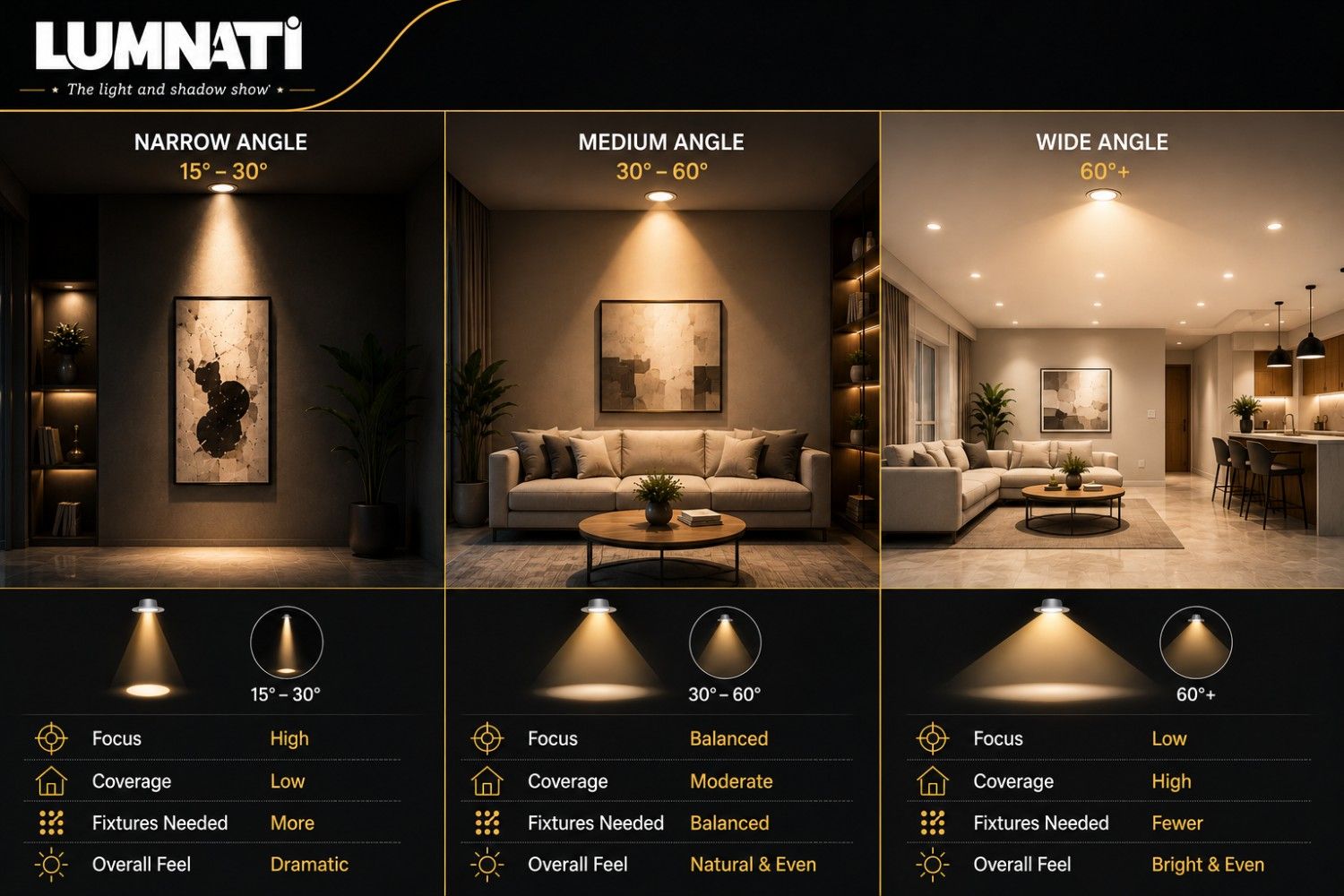
Beam angle determines how light spreads from a fixture. Narrow beams can emphasize artwork or decorative objects, while wider beams can provide more general illumination.
The correct choice depends on ceiling height, room dimensions, mounting position, and the desired lighting effect.
Glare Control
Even a high-CRI fixture can produce uncomfortable glare if it is poorly positioned or inadequately shielded.
Look for suitable optical design, recessed or shielded light sources where appropriate, and lighting layouts that support visual comfort.
Dimming and Lighting Control
Dimming gives residents greater control over ambience and brightness throughout the day. Check whether fixtures are compatible with the intended dimming system and whether color consistency is maintained at lower brightness levels.
Choosing the Right Architectural Lighting for Different Residential Spaces
Different rooms have different lighting requirements. A well-planned residential scheme uses multiple fixture types rather than relying on one source of illumination.
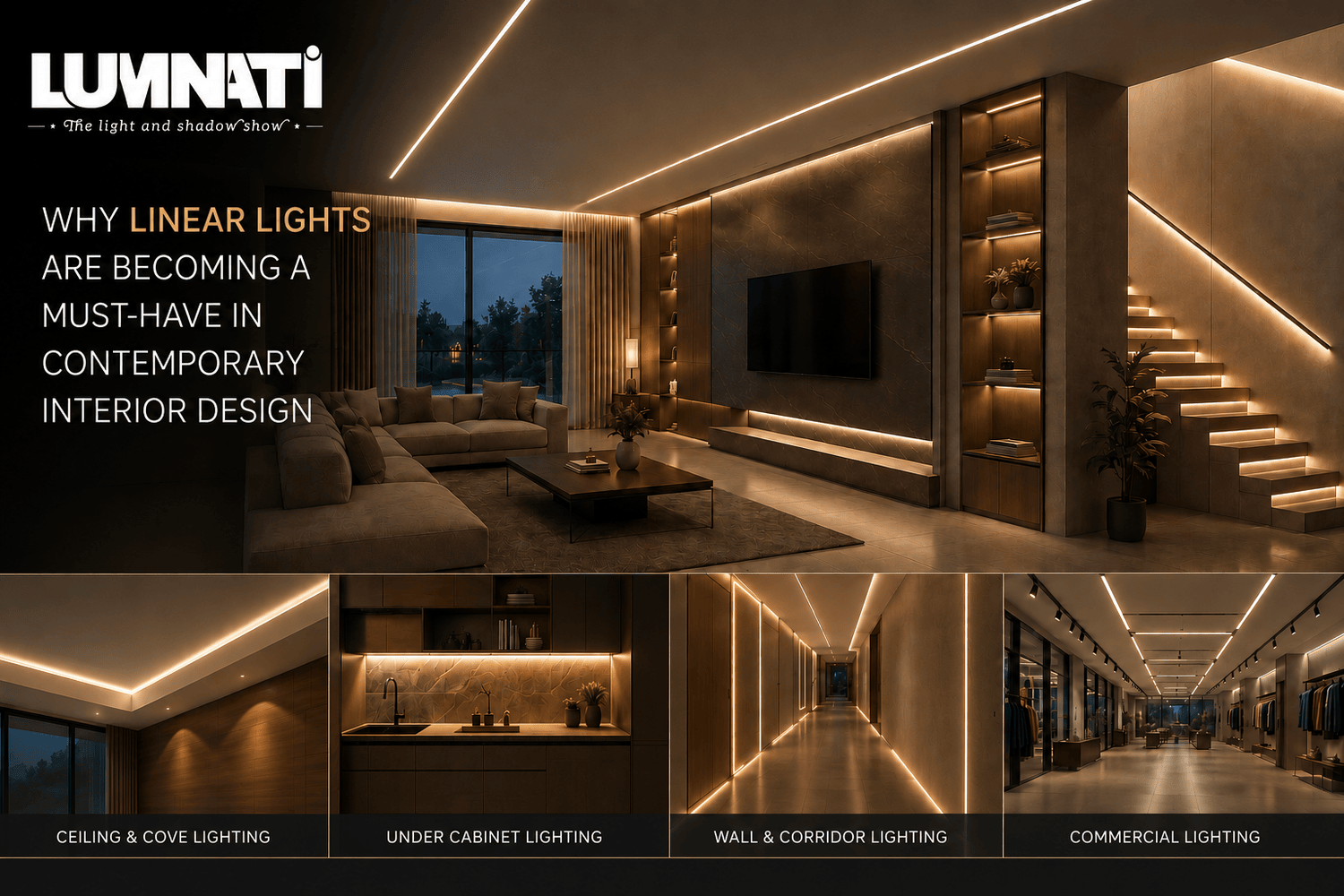
Living rooms: Combine recessed downlights, concealed linear lighting, and adjustable accent fixtures to balance general illumination with architectural highlights.
Bedrooms: Prioritize comfortable ambient lighting, bedside task lighting, and dimming options for a relaxing atmosphere.
Kitchens: Use appropriate task lighting for countertops and work surfaces, supported by general illumination with good color rendering.
Bathrooms: Select fixtures suitable for the relevant moisture zones and electrical safety requirements. High CRI lighting can help with grooming and the accurate appearance of finishes.
Hallways and corridors: Use discreet downlights or linear lighting to provide consistent illumination while emphasizing architectural lines and transitions between spaces.
Art and display areas: Consider adjustable high-CRI spotlights, beam control, and appropriate illumination levels to showcase decorative objects without unnecessary exposure.
How Lumnati Fits into Premium Residential Lighting Design
When evaluating architectural lighting brands, homeowners and design professionals should look beyond appearance and assess the technical performance of the fixtures.
Lumnati can be considered in the context of a premium residential lighting project by evaluating the suitability of its available products for the intended application.
Before selecting a fixture, review the product specifications for:
- CRI and, where available, R9 or TM-30 color-rendering data.
- Available color temperatures and consistency between fixtures.
- Lumen output, beam angles, and light distribution.
- Glare control and optical design.
- Dimming compatibility and control options.
- Fixture dimensions, installation requirements, and warranty coverage.
The appropriate product depends on the project's design objectives and the specifications of the individual fixture. Verify these details in Lumnati's current product documentation before making product-specific performance claims or final selections.
For architects and interior designers, integrating lighting selection early in the design process can help coordinate ceiling layouts, furniture placement, material choices, and electrical planning.
Common Mistakes to Avoid When Selecting High CRI Lighting
Even premium lighting products can deliver disappointing results when the overall scheme is poorly planned.
Choosing CRI without considering other specifications: High CRI does not automatically mean high brightness, low glare, or good energy efficiency. Evaluate the complete lighting specification.
Mixing inconsistent color temperatures: Different CCTs in the same visual field can make an otherwise cohesive interior feel inconsistent.
Using excessive accent lighting: Too many spotlights can create distracting bright spots and uneven illumination. Plan accent lighting around specific architectural or decorative features.
Ignoring dimming compatibility: Incompatible controls can cause flicker, limited dimming range, or unreliable performance.
Selecting fixtures too late: Late-stage lighting decisions can lead to poorly positioned fixtures, ceiling conflicts, and missed opportunities to highlight materials.
Conclusion
The best High CRI Architectural Indoor Lighting for premium residential interiors combines accurate color rendering with thoughtful lighting design, suitable color temperatures, effective glare control, and flexible lighting controls.
From living rooms and bedrooms to kitchens, hallways, and artwork displays, the right combination of architectural lighting fixtures can enhance material details and create a more cohesive residential environment.
For projects considering Lumnati, evaluating the available product specifications against the project's design and performance requirements is an important step toward selecting the right lighting solution.
Ultimately, premium residential lighting is not simply about illuminating a room. It is about bringing out the character of the materials, supporting everyday comfort, and complementing the architectural vision of the home.
1786536088.jpeg)